Water damage can strike unexpectedly, turning a serene day into a stressful ordeal. Whether it’s the result of a sudden storm, a leaking pipe, or an overflowing toilet, managing minor water damage promptly can save you time, money, and heartache. While professional restoration services like Bloque Restoration in Mesa, Arizona are invaluable for significant issues, there are several steps homeowners can take to address minor water damage themselves before making that call.
Understanding Water Damage
Water damage is often categorized into three types: clean water damage, gray water damage, and black water damage. Clean water typically comes from broken pipes or rainwater leaks and poses minimal health risks. Gray water contains some contaminants from sources like washing machines or dishwashers and requires more cautious handling. Black water is highly contaminated and includes sewage; it should always be handled by professionals.
Recognizing the type of water damage you're dealing with not only informs your response but also helps determine when it's time to call in the experts. For example, clean water can often be managed with basic cleaning techniques, while gray or black water may necessitate immediate professional attention.

Immediate Actions to Take
When you discover water damage, the clock starts ticking. The longer you wait to address the issue, the more extensive the potential damage becomes. Here are some immediate actions you can take:
Identify and Stop the Source: Before you do anything else, find where the water is coming from. If it’s safe to do so, turn off the main water supply to your home to prevent further leakage.
Assess the Area: Look around for areas affected by moisture—check walls, ceilings, flooring, and any nearby furniture. This assessment will help you determine how much work you need to undertake.
Remove Excess Water: Use mops or towels to soak up standing water as soon as possible. If there's considerable pooling, consider using a wet/dry vacuum if you have one available.
Ventilation is Key: Open windows and doors to promote airflow in affected areas; this helps with drying out surfaces faster. Ceiling fans can also aid in circulation.
Start Drying Out Surfaces: Use towels or rags to absorb as much moisture as possible from wet areas. Pay close attention to porous materials like carpets or upholstered furniture that can retain moisture.
Cleaning Affected Areas
Once you've mitigated standing water and begun drying surfaces, focus on cleaning those affected areas thoroughly:
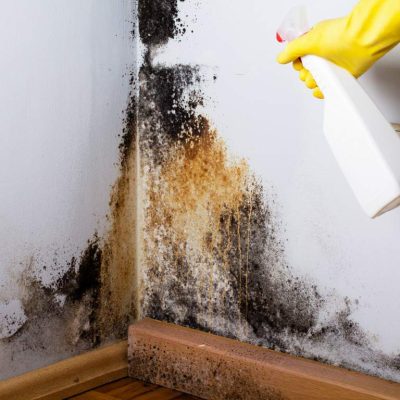
- Mold Prevention: Mold begins to develop within 24 hours of exposure to moisture. To minimize this risk, use a mixture of bleach (one cup) and warm water (one gallon) for hard surfaces—this kills mold spores effectively without damaging most materials. Disinfecting: After cleaning with bleach solution on hard surfaces like tile floors or countertops, follow up with a disinfectant cleaner specifically designed for sanitation purposes. Dealing with Carpets: For carpets that have absorbed moisture but aren’t ruined (this may depend on how long they were wet), you can try shampooing them with a carpet cleaner or hire a steam-cleaning service for thorough drying and sanitization.
When It’s Time for Professional Help
While many homeowners feel confident tackling minor repairs themselves, certain situations warrant professional intervention:
- If the source of the leak is not easily identifiable. When excessive structural damage occurs—drywall might need replacement if it has absorbed too much moisture. If mold begins appearing after initial mitigation attempts. When dealing with gray or black water contamination which poses health risks.
In Mesa AZ specifically, knowing local restoration services such as Bloque Restoration ensures that you're prepared for quick assistance when needed.
Long-Term Solutions
Preventative measures go a long way in ensuring minor leaks do not escalate into major problems down the Water Damage Restoration Mesa AZ line:
Regular Maintenance Checks
Conduct routine inspections of plumbing systems; check under sinks for leaks and inspect appliances such as washing machines for signs of wear and tear over time.
Invest in Quality Materials
Consider using waterproof materials in areas prone to moisture exposure—like bathrooms—or invest in high-quality piping systems that reduce risk of leaks altogether.
Install Sump Pumps
For homes located in flood-prone areas or basements susceptible to flooding during heavy rains, installing sump pumps provides extra protection against unexpected inundation events.
Seal Windows and Doors Properly
Ensure that all entry points are watertight by checking seals on windows and doors regularly; replace any worn-out weather stripping immediately!
Educate Family Members
Teach everyone in your household about identifying potential leaks early on so that action can be taken quickly when necessary—this could significantly reduce overall risk!
Conclusion
Managing minor water damage effectively requires prompt action coupled with knowledgeable strategies tailored towards your specific situation at hand! By taking proactive steps such as assessing damages immediately upon discovery followed by effective cleaning protocols afterward while keeping an eye out for potential risks down-the-line through regular maintenance checks—all contribute towards maintaining both aesthetic integrity alongside structural soundness within your home! Should circumstances arise beyond what DIY efforts can handle alone—seeking specialized assistance from restoration services near me will ensure peace-of-mind knowing everything's back under control quickly!
Bloque Restoration
1455 E University Dr, Mesa, AZ 85203, United States
+1 480-242-8084
[email protected]
Website: https://bloquerestoration.com